
 +
+
 By
By Importance Of Responsible Tourism In sundarban National Park
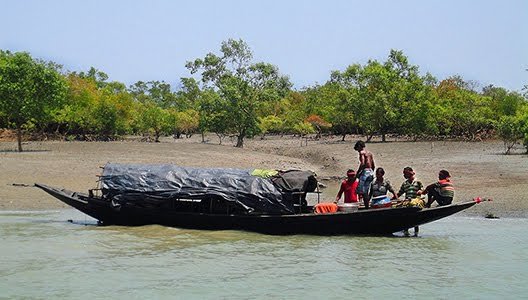
Sundarbans ecotourism plays a vital role in protecting the world’s largest mangrove forest while supporting local livelihoods. As a UNESCO World Heritage Site, the Sundarbans is home to diverse wildlife, including the Royal Bengal Tiger, estuarine crocodiles, and hundreds of bird species.
Environmental Benefits
- Supports wildlife conservation and forest protection through tourism revenue.
- Reduces dependence on harmful activities such as illegal logging and overfishing.
- Promotes mangrove plantation and habitat restoration projects.
- Creates awareness among visitors about biodiversity conservation and sustainable travel.
Community Benefits
- Generates employment opportunities for local people as guides, boat operators, resort staff, and artisans.
- Encourages preservation of local culture, traditions, and handicrafts.
- Improves infrastructure, education, healthcare, and sanitation facilities.
- Empowers women through participation in tourism-related businesses.
Popular Ecotourism Destinations in Sundarbans
- Sajnekhali: Famous for birdwatching, the Mangrove Interpretation Centre, crocodile enclosure, and watchtower.
- Sudhanyakhali: Known for wildlife sightings, including Royal Bengal Tigers, and its beautiful Mangrove Park.
- Dobanki Canopy Walk: A thrilling elevated walkway offering close views of the mangrove ecosystem.
- Netidhopani: A historic site featuring ancient temple ruins and fascinating local folklore.
- Burirdabri: Popular for its watchtower, mud walk, and mangrove cage trail near the Bangladesh border.
Conclusion
Sundarbans ecotourism promotes sustainable tourism by balancing environmental conservation with community development. By choosing responsible tour operators, visitors contribute to protecting the unique biodiversity of the Sundarbans while improving the livelihoods of local communities for future generations.