
 +
+
 By
By The Sundarbans has achieved several conservation successes through mangrove restoration, tiger protection, community participation, and cross-border cooperation between India and Bangladesh. Reforestation programs have expanded mangrove cover, strengthening natural defenses against cyclones and coastal erosion. Improved wildlife monitoring and stricter anti-poaching measures have helped stabilize the Bengal tiger population, while sustainable livelihoods such as eco-tourism, organic farming, and community-led fishing initiatives reduce pressure on forest resources. These combined efforts demonstrate that conservation and local development can work together to protect the world’s largest mangrove ecosystem.
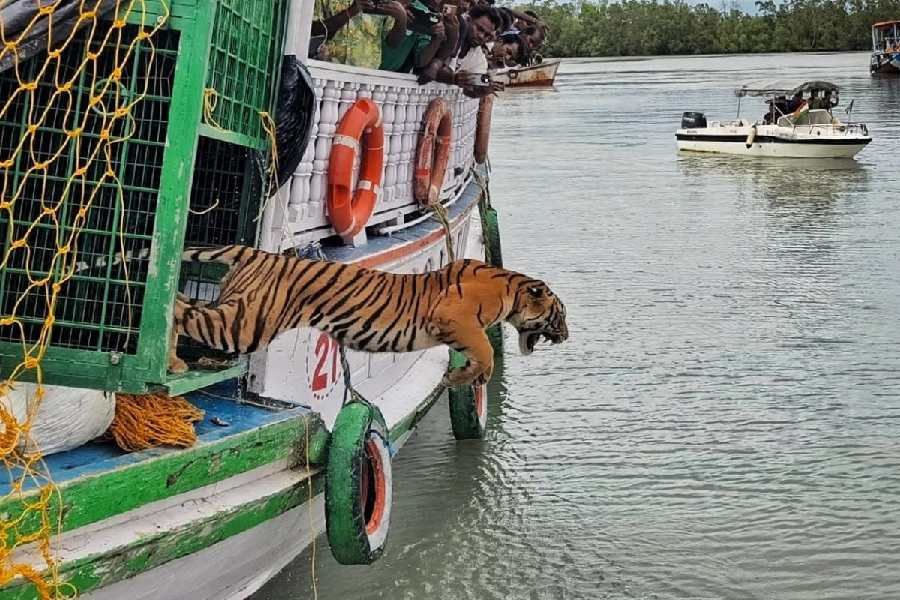
The Bengal Tiger Recovery
Strict protection, camera traps, and regular monitoring have helped the Bengal tiger population recover in the Indian Sundarbans. Today, around 101 Bengal tigers live in this unique mangrove habitat.
Community-Led Mangrove Revival
Local communities, especially women, actively restore mangrove forests by planting and protecting saplings. These restored mangroves reduce coastal erosion, protect villages from cyclones, and support biodiversity.
Saving the Northern River Terrapin
Captive breeding at Sajnekhali Wildlife Sanctuary has revived the critically endangered Northern River Terrapin. Hundreds of hatchlings have been raised, with many successfully released into the wild.
Protecting the Fishing Cat
The Sundarban Tiger Reserve provides a safe habitat for the Fishing Cat, West Bengal’s state animal. Wetland conservation and anti-poaching efforts are helping this rare species survive and thrive.