
 +
+
 By
By The Sundarbans, the world’s largest mangrove forest and a UNESCO World Heritage Site, is facing a growing threat from plastic pollution. Rivers such as the Ganges, Brahmaputra, and Meghna carry plastic waste from cities, industries, and villages into the Sundarbans before flowing into the Bay of Bengal.
How Plastic Waste Reaches the Sundarbans
Plastic enters the Sundarbans through several sources:
- River currents carrying urban and industrial waste
- Tourism activities and littering
- Fishing nets, ropes, and plastic gear
- Household wastewater and drainage
- Heavy monsoon rainfall washing plastic into rivers
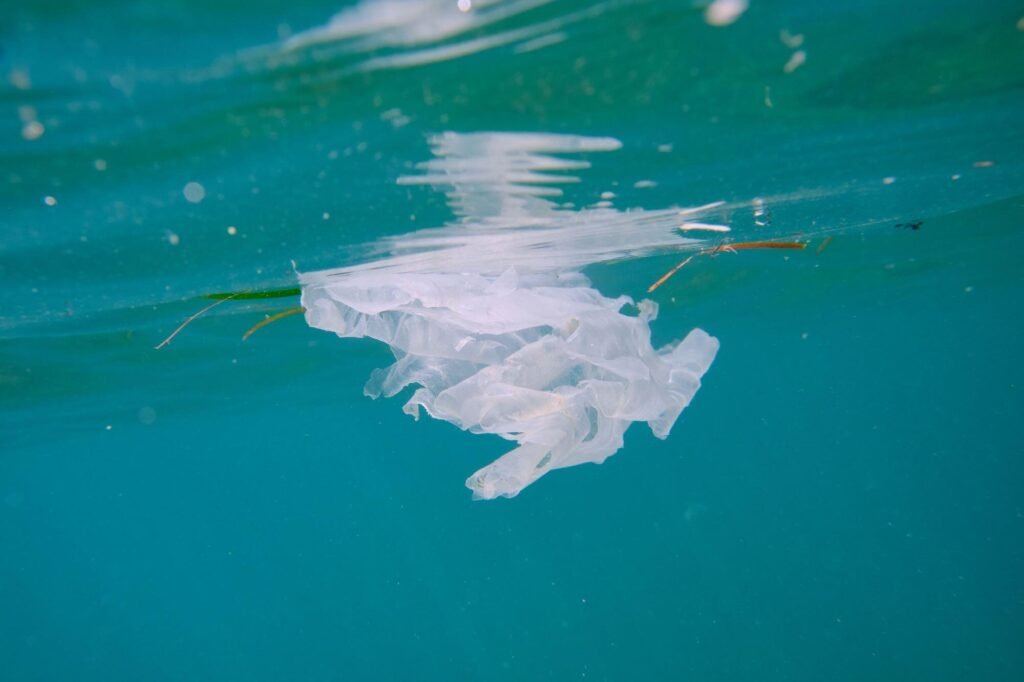
During the monsoon season, plastic pollution can increase significantly as floodwaters transport more waste into the mangrove ecosystem.
Microplastics: A Hidden Threat
Large plastic items gradually break down into microplastics (smaller than 5 mm) and even nanoplastics. These tiny particles are nearly impossible to remove and spread throughout the rivers, mudflats, and mangrove forests.
Scientists have found that common plastics such as polypropylene (PP) and polyethylene terephthalate (PET) are among the most frequently detected materials in the Sundarbans.
Impact on Wildlife and Mangroves
Microplastics are often mistaken for food by fish, crabs, birds, turtles, and other aquatic animals. Once ingested, they can damage digestive systems and introduce harmful chemicals into the food chain.
Plastic particles also affect the Sundarbans’ famous mangrove forests, which serve as one of the world’s most important blue carbon ecosystems. Researchers warn that plastic pollution may disrupt natural carbon storage, reducing the mangroves’ ability to absorb carbon dioxide and combat climate change.
Why It Matters
The Sundarbans is home to the Royal Bengal Tiger, estuarine crocodiles, Gangetic dolphins, hundreds of bird species, and unique mangrove plants like the Sundari tree. Protecting this fragile ecosystem from plastic pollution is essential for preserving its biodiversity and supporting the livelihoods of local communities.
How Tourists Can Help
Visitors can reduce plastic pollution by:
- Carrying reusable water bottles.
- Avoiding single-use plastics.
- Taking all waste back for proper disposal.
- Choosing eco-friendly tour operators.
- Respecting forest and wildlife conservation rules.
Small actions by every visitor can help protect the Sundarbans for future generations.