
 +
+
 By
By Dolphins in the Sundarbans – A Rare Wildlife Experience
The Sundarbans is one of the best places in South Asia to spot wild dolphins during a river safari. The mangrove waterways are home to two remarkable species—the Ganges River Dolphin and the Irrawaddy Dolphin—making a Sundarban dolphin safari a memorable experience for nature lovers and wildlife photographers.
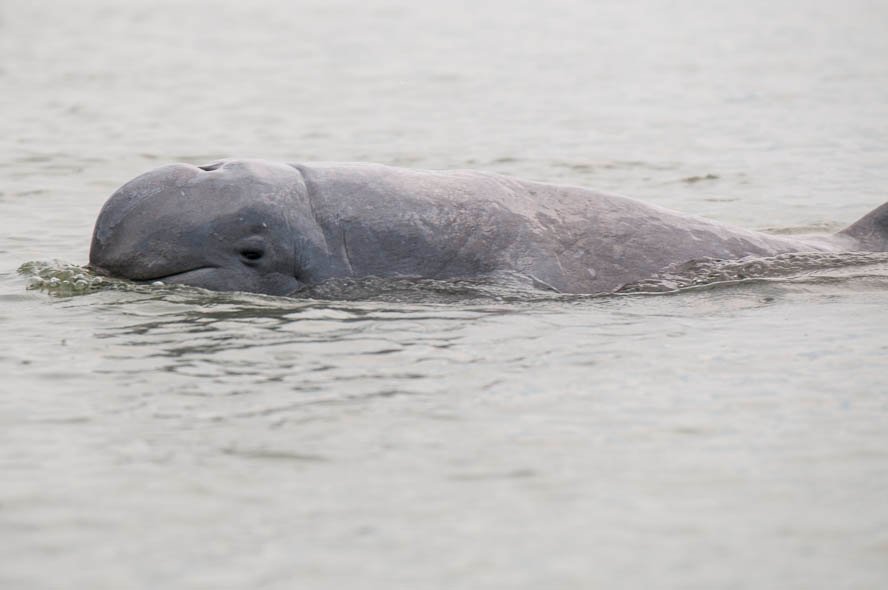
Irrawaddy Dolphin in the Sundarbans
The Irrawaddy Dolphin is easily recognized by its rounded forehead, short snout, and small triangular dorsal fin. Unlike most dolphins, it has no long beak and is known for its gentle behavior and expressive face. It prefers calm estuaries, mangrove creeks, and river mouths, making the Sundarbans an ideal habitat.
Dolphin Habitat and Conservation
The rivers and creeks of the Sundarbans provide a vital refuge for endangered dolphins. However, threats such as illegal fishing nets, water pollution, rising salinity, and heavy boat traffic continue to affect their survival. To protect these aquatic mammals, several Dolphin Conservation Zones have been established where fishing is prohibited and wildlife monitoring is carried out regularly.
Best Time to See Dolphins in the Sundarbans
Visitors have the best chance of seeing dolphins while cruising through the quiet waterways during a Sundarban boat safari. Early morning and late afternoon are ideal for spotting these playful mammals as they surface for air.
Quick Facts
- Species Found: Ganges River Dolphin & Irrawaddy Dolphin
- Habitat: Mangrove rivers, tidal creeks, estuaries, and coastal waterways
- Conservation Status: Irrawaddy Dolphin – Endangered
- Major Threats: Illegal fishing, pollution, habitat degradation, vessel traffic, and climate change
- Best Activity: Dolphin watching during a Sundarban wildlife boat safari